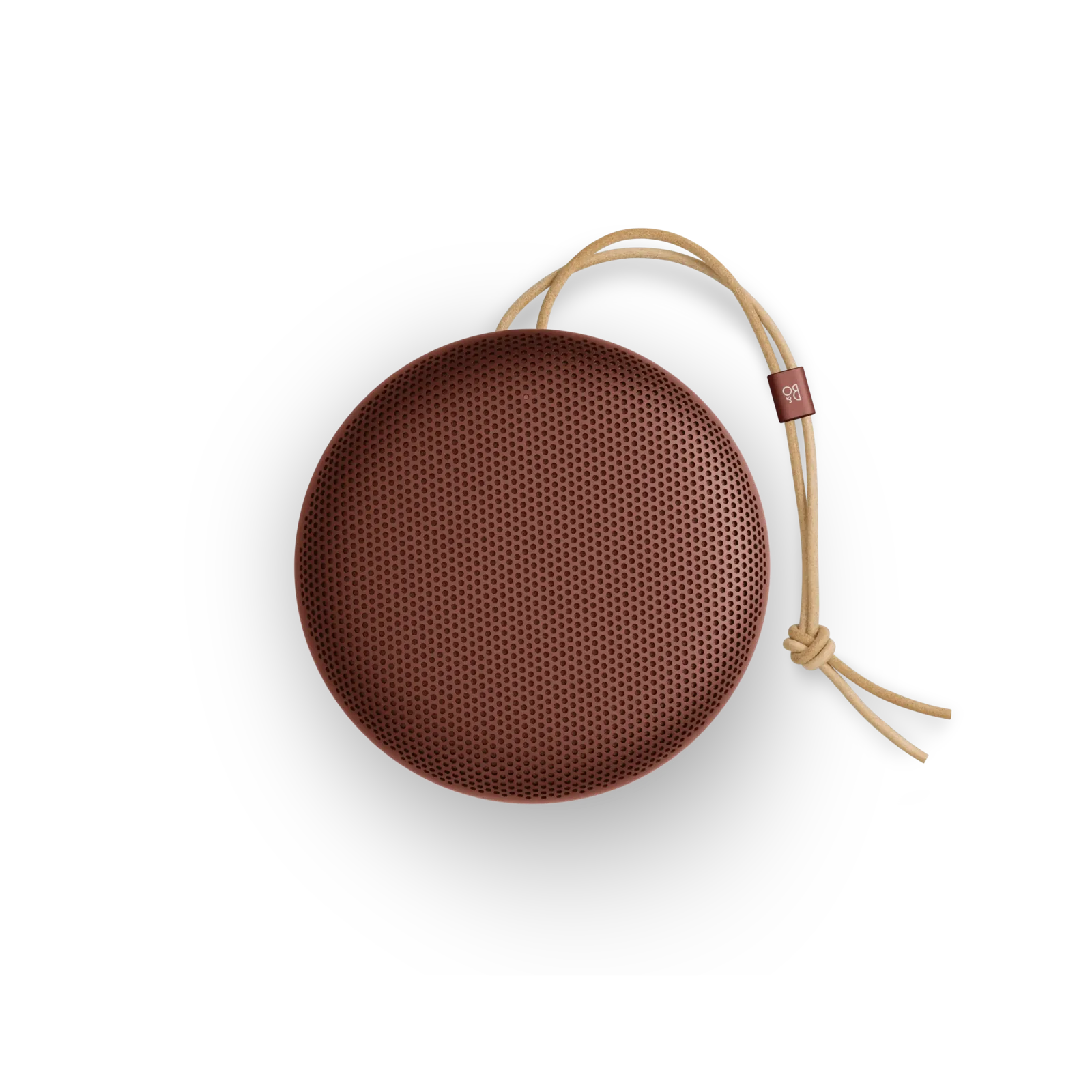
Le style ampli
Marshall Middleton II
Terrace, garden and picnics
Affiliate links. Learn more
New · New
Bluetooth home speaker (black)
Ideal for: Music in the living room and vinyl.
See on AmazonLive price and availability on amazon.com.be
A Bluetooth home speaker that looks like a guitar amp. It has RCA and 3.5 mm inputs for a turntable and runs on mains power.
Avoid ifYou want Wi-Fi multiroom, a voice assistant or a speaker to carry around. According to Marshall, the Stanmore III has no Wi-Fi, no microphone and no battery.
1 / 3
The Marshall Stanmore III is a mains-powered Bluetooth home speaker. It's built for people who want big stereo sound and a striking guitar-amp look on a shelf or sideboard. It suits you best if you stream music from your phone and also want to plug in a turntable through its RCA input.
This Marshall Stanmore III review covers its design, what it does (and doesn't do) day to day and its official specs. It also covers who it's a good fit for and who should skip it. Marshall offers it in black, cream and brown. The version featured here is the black one, available on Amazon.
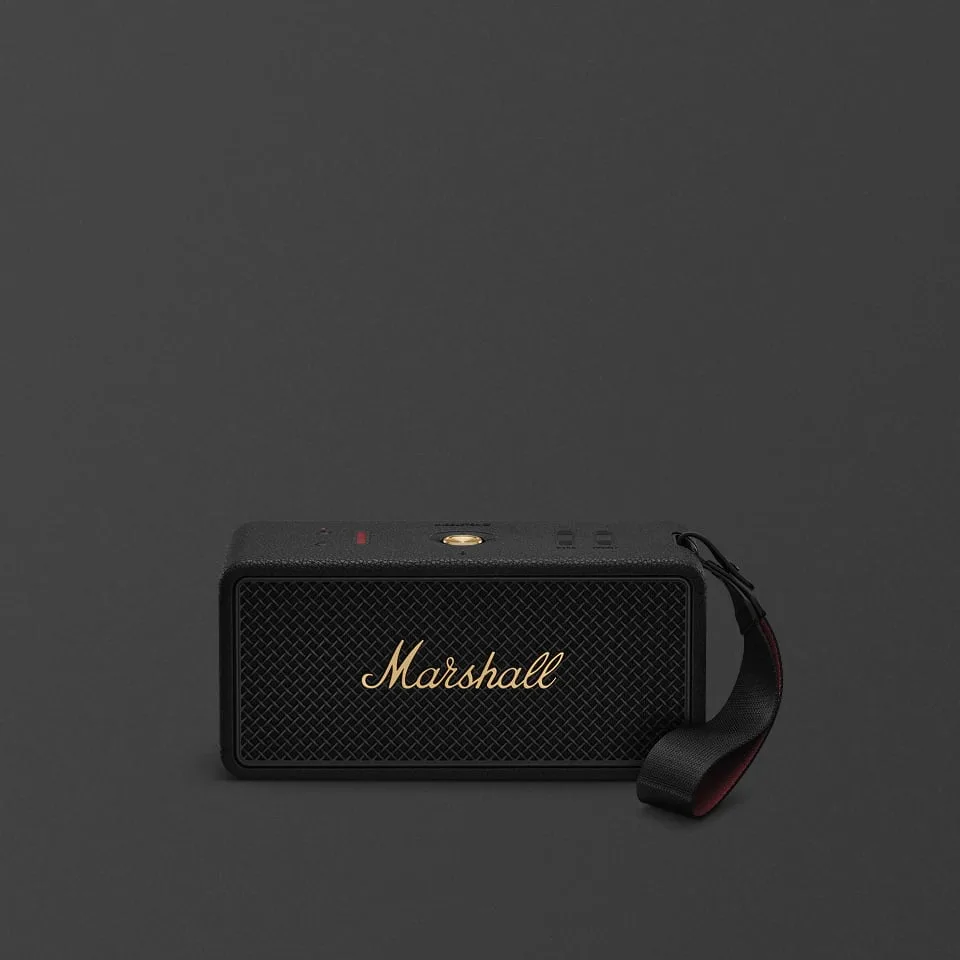
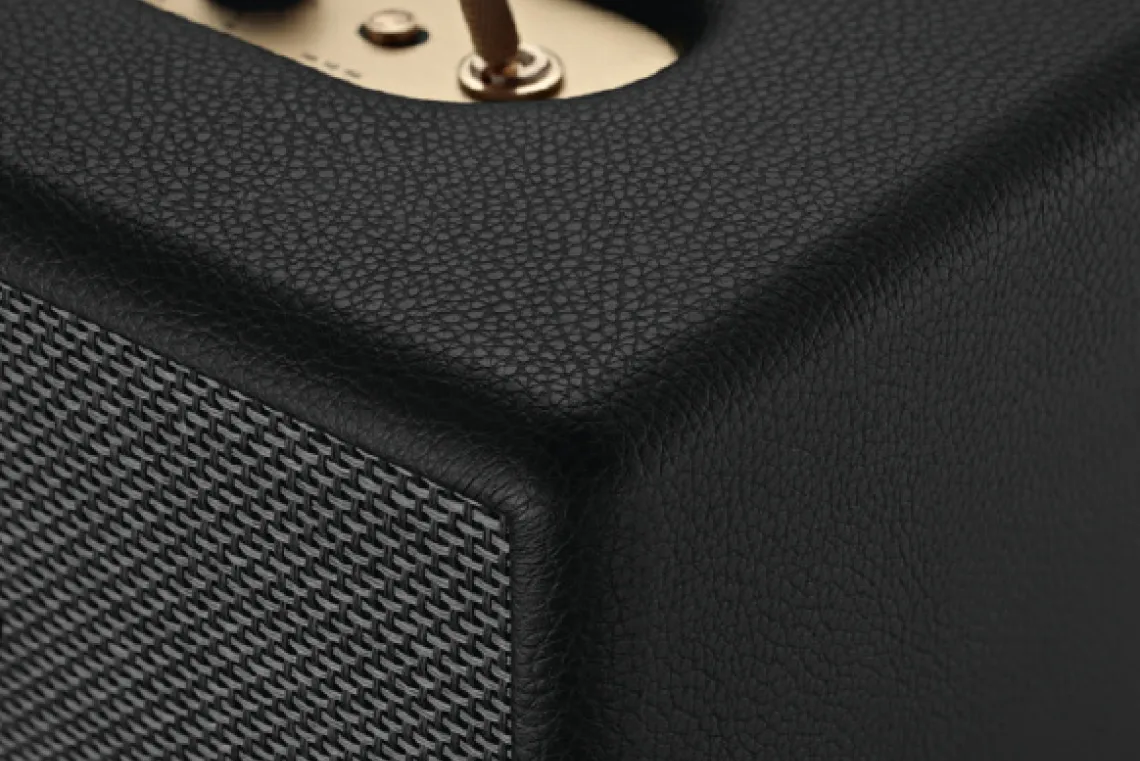
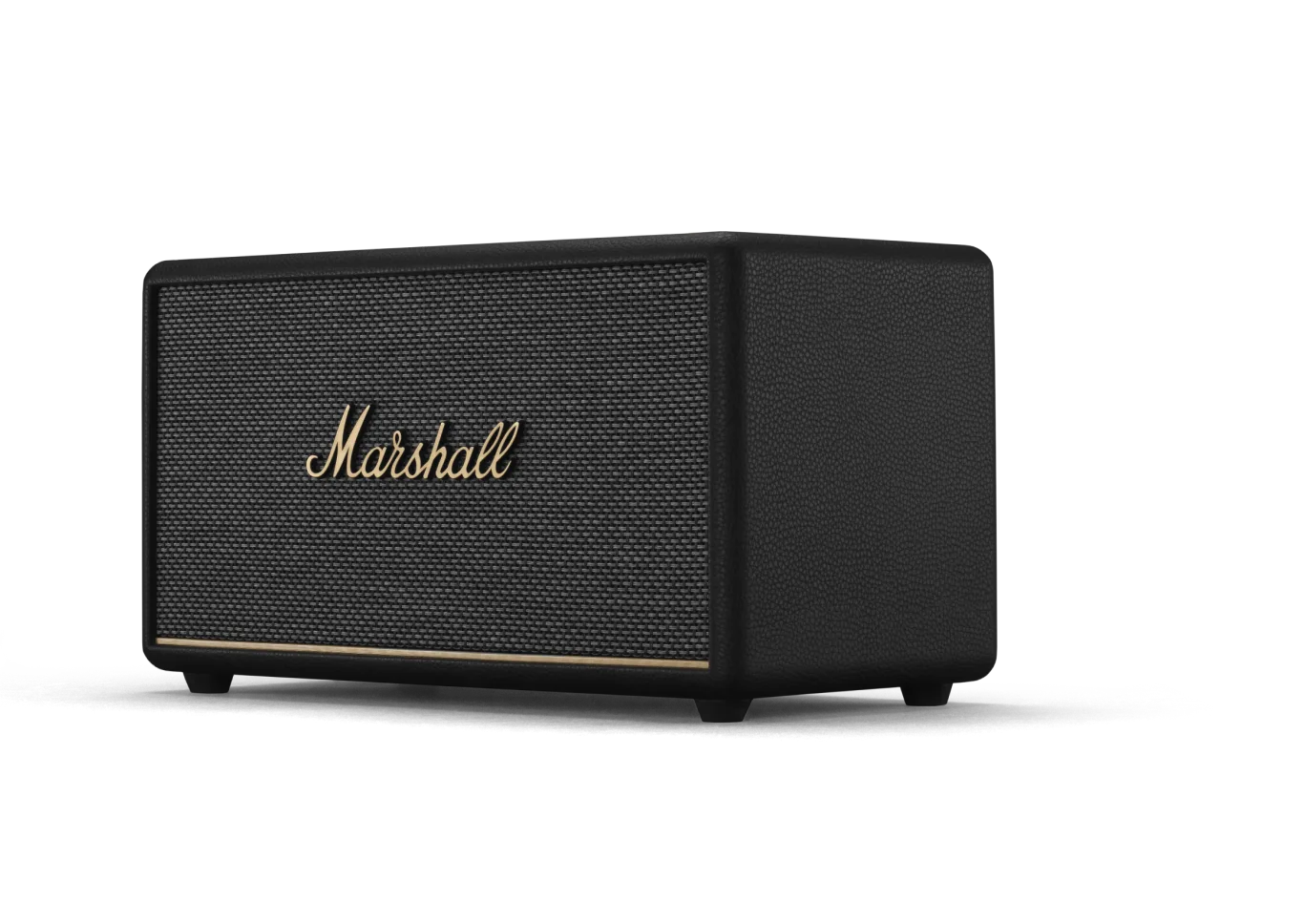
The Stanmore III borrows the look of Marshall's guitar amps: a grille front, the script Marshall logo and gold control knobs on top. According to Marshall, it measures 350 × 203 × 188 mm and weighs 4.25 kg. It's a real piece of audio furniture, not a small speaker you tuck away in a corner.
It belongs on a bookshelf, a sideboard or next to a turntable, and it's meant to be seen. Of Marshall's three colours, black is the most classic. It fits easily into a dark interior or a home office set up as a small studio.
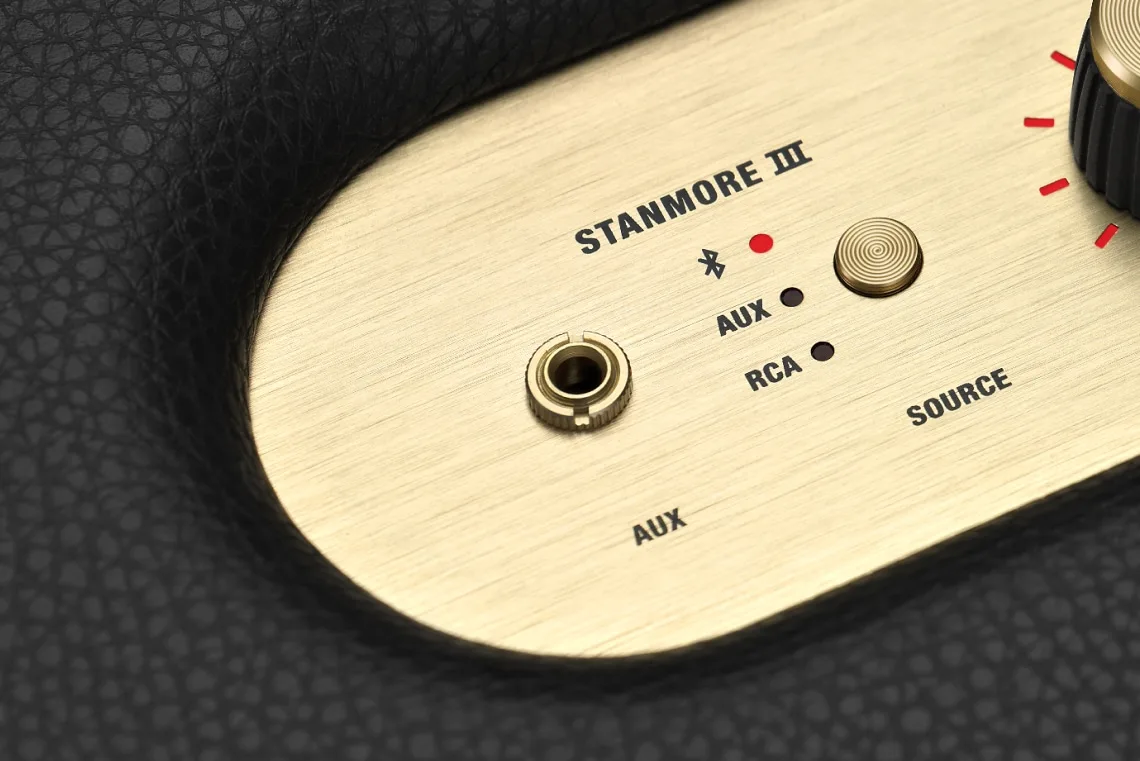
You pair it over Bluetooth 5.2 from your phone, tablet or computer, with a range of 10 m according to Marshall. The knobs on top set volume, bass and treble, so you don't need to reach for your phone.
For wired sources there's an RCA input and a 3.5 mm jack. That makes it easy to connect a turntable (with a phono preamp), a CD player or a TV. The Marshall Bluetooth app (iOS and Android) lets you control the speaker and install software updates over the air. Marshall promises at least two years of software support.
Marshall lists a two-way driver system in a bass-reflex cabinet. One 50 W Class D amp powers the woofer and two 15 W Class D amps power the tweeters. The tweeters are angled outwards to spread sound more widely across the room. Marshall also lists a frequency response of 45 to 20,000 Hz and a maximum sound pressure level of 97 dB at 1 m.
The speaker runs on mains power (100–240 V, 50–60 Hz) and has no battery. Marshall also states that it has no Wi-Fi, microphone, voice control or water resistance. It's an indoor Bluetooth speaker, nothing more. Marshall describes its Bluetooth as ready for LE Audio.
Marshall's home speakers come in three sizes: the Acton is the most compact, the Stanmore sits in the middle and the Woburn is the largest. The Stanmore III is the most versatile choice if you want to fill a living room without a bulky cabinet.
In a smaller space such as a home office or bedroom, the Acton is easier to place. If you want a speaker you can carry around, skip the home range: a battery-powered Marshall like the Emberton III or Middleton II makes more sense.
It's a good fit if you want a design speaker for the living room or a spacious office that plays loud without subscriptions or network setup. It also works well if you have a turntable or an older player to reconnect. And it makes a great gift for a rock or vinyl fan.
Skip it if you want Wi-Fi multiroom or a voice assistant: look at Wi-Fi speakers such as Sonos instead. And if you need to move your speaker between rooms or into the garden, the lack of a battery will quickly get in the way.
No. According to Marshall, the Stanmore III runs on mains power (100–240 V) and has no battery. It's a home speaker designed to stay in one place. If you want something portable, a Marshall portable speaker like the Emberton III is a better choice.
Yes, the Stanmore III has an RCA input and a 3.5 mm jack. Your turntable needs a built-in phono preamp, or you'll have to add an external preamp between the two. You can also connect a CD player or a TV.
No. Marshall states that the Stanmore III has no Wi-Fi, microphone or voice control. It works over Bluetooth 5.2, with a range of 10 m according to the brand, and through its wired inputs. For Wi-Fi multiroom, look at a Wi-Fi speaker such as Sonos.
The Stanmore III has knobs on top for volume, bass and treble. The Marshall Bluetooth app for iOS and Android also lets you control the speaker and install over-the-air software updates.
The black Marshall Stanmore III is available on Amazon, with delivery to Belgium. Marshall also offers it in cream and brown. Check the selected colour on the product page before you order.
The most beautiful Bluetooth speaker? Beosound A1 3rd Gen, Marshall Middleton II or Bose SoundLink Max: design, battery and sound compared.
Best design Bluetooth speaker: B&O A1 vs Marshall vs BoseMarshall Stanmore III
See on AmazonLive price and availability on amazon.com.be